
Frustrated by under-eye shadows that refuse to budge, no matter how many cucumber slices, cold spoons, or expensive eye creams you try? You are not alone. The search for how to get rid of dark circles is one of the most common journeys in beauty and skincare, yet it is also one of the most disappointing.
The truth is that most dark circle treatments fail because they treat every shadow the same way. But dark circles have different biological causes. To find an effective dark circles under eyes treatment, you must first understand why your shadows are there, manage your expectations realistically, and use a targeted approach that combines skincare, health habits, and correct makeup application.
This page is the action-and-makeup sibling: expectations, nutrients, and the Prep → Correct → Conceal → Set order. The complete guide is the overview. Causes and treatments by type is the diagnosis map. Natural remedies stay on their own URL. All four stay live. This is informational, not medical advice.
Executive Summary
- Determine the Cause: Distinguish between genetic shadows (hyperpigmentation/hollows) and temporary vascular congestion (lack of sleep/allergies) before choosing a treatment.
- The Nutrient Link: Viral trends like magnesium glycinate can improve sleep quality to reduce vascular pooling, while addressing iron deficiency prevents skin pallor that makes veins stand out.
- The Makeup Order: Prevent cakey or gray makeup by following the strict sequence of Prep → Color-Correct → Conceal → Set.
- Neutralize First: Use a peach or orange under eye color corrector to cancel cool blue or purple shadows before applying concealer.
- Flattering Eyeliner: Avoid heavy black liner on the lower lash line. Instead, opt for nude eyeliner on the waterline and a lifted upper wing to draw the eyes upward.
Managing Expectations: What Actually Causes Your Under-Eye Shadows?
To find out what causes dark circles on your face, it helps to understand the anatomy of the periorbital (under-eye) area. The skin under your eyes is the thinnest on your entire body—measuring just 0.5mm in thickness compared to 2mm elsewhere. This makes it highly sensitive to changes in blood flow, pigment, and structural support.
Genetic Shadows (Periorbital Hyperpigmentation & Structural Hollows)
Genetic dark circles are inherited and typically fall into two categories:
- Periorbital Hyperpigmentation: This occurs when your skin naturally produces excess melanin (pigment) around the eyes. It is particularly common in individuals of Mediterranean, Asian, or African descent. The shadows usually appear brown or light tan.
- Structural Hollows (Tear Troughs): Some people are born with deep-set orbital bones or lose volume in the tear trough area early in life. This creates a natural physical valley. Light hitting your face casts a shadow in this valley, creating the illusion of a dark circle.
Expectation Management: It is critical to realize that no topical cream, serum, or DIY home remedy can alter your DNA or your bone structure. If your dark circles are genetic or structural, expensive skincare won’t make them disappear. Instead, your best tools will be an under eye color corrector to neutralize the pigment or professional dermatological treatments (like dermal fillers) to address the structural hollows.
Temporary Puffiness & Vascular Congestion (Lack of Sleep, Allergies, Dehydration)
In contrast to genetic shadows, temporary dark circles are vascular. Because the skin under the eyes is incredibly translucent, the network of tiny capillaries beneath is easily visible.
- Vascular Pooling: When you are sleep-deprived or highly stressed, your body produces cortisol, which dilates blood vessels. Blood pools in these dilated capillaries, creating a distinct blue, purple, or gray cast under the skin.
- Allergic Shiners: Seasonal allergies trigger the release of histamines, which swell the nasal passages and veins around the eyes, worsening vascular congestion.
- Dehydration & Sodium: Dehydration causes the skin to look thin and sunken, making underlying veins more visible. Conversely, too much sodium causes fluid retention (puffiness), which casts a shadow beneath the swollen area.
Expectation Management: These temporary, vascular-based circles are highly responsive to lifestyle changes. Proper hydration, sleeping with your head slightly elevated, using cool compresses, and applying anti-inflammatory skincare (like caffeine-infused creams) can make a significant difference.
The Nutrient Connection: Iron, B12, and the Viral Magnesium Glycinate Hype
In search of internal remedies, beauty enthusiasts on TikTok and Reddit have popularized various supplements for skin health. Understanding the link between nutrition and vascular health is a key step in learning how to get rid of dark circles under eyes.
Can Magnesium Glycinate Really Cure Dark Circles? (The TikTok & Reddit Trend)
Lately, viral videos have claimed that taking magnesium glycinate cured their dark circles almost overnight. To separate fact from fiction, we have to look at how magnesium affects the body.
Magnesium glycinate is a highly bioavailable form of magnesium bound to the amino acid glycine. It acts as a natural muscle relaxant and nervous system regulator. Taking a high-quality supplement like Doctor’s Best High Absorption Magnesium (100% Chelated) helps:
- Improve Sleep Quality: By promoting deep, restorative slow-wave sleep, magnesium prevents the morning skin pallor and blood vessel dilation caused by sleep deprivation.
- Reduce Cortisol Levels: Lowering stress hormones prevents the vascular dilation that leads to dark pooling.
The Reality Check: Magnesium glycinate does not lighten melanin pigment and cannot fill structural hollows. If your shadows are genetic, magnesium won’t change them. But if your circles are vascular and caused by poor sleep or chronic stress, improving your sleep quality with magnesium can visibly reduce under-eye darkness in 2 to 4 weeks.
Getting Tested: Why You Should Check for Iron & B12 Deficiencies
Another common internal cause is iron deficiency dark circles. Iron is essential for producing hemoglobin, the protein in red blood cells that carries oxygen throughout the body.
When you have low iron levels (anemia) or a vitamin B12 deficiency:
- Your skin becomes pale and translucent because of reduced oxygenated blood flow.
- The dark, deoxygenated veins under the thin eye skin stand out in sharp contrast against the pale skin, making dark circles look significantly darker and more bruised.
If you suspect a nutritional gap, schedule a simple blood panel with your doctor to check your iron, ferritin, and B12 levels. Avoid guessing and self-supplementing with high doses of iron, as excess iron can be harmful.
The Foolproof Under-Eye Makeup Sequence: Prep, Color-Correct, Conceal, Set
When you want to know how to cover dark circles with makeup, the order of application is everything. If you apply a heavy, skin-toned concealer directly over dark circles, the cool undertones will bleed through, creating a gray, muddy shadow. Skincare prep and color correction are crucial steps to achieve a flawless, crease-proof finish.
Step 1: Prep (Hydration & Plumping)
Applying makeup to dry, unmoisturized under-eye skin is a recipe for creasing. The skin will draw moisture out of your concealer, causing the product to crack, settle into fine lines, and look cakey.
- Cleanse the area gently.
- Apply a pea-sized amount of a hydrating, ceramide-rich eye cream like CeraVe Eye Repair Cream. This cream contains hyaluronic acid and niacinamide to plump the skin barrier and smooth out texture.
Beauty Desk listing check: Confirm the listing is the eye-area cream, not the face moisturizer with a similar name. Prefer new, sealed tubes. This is informational — not medical advice. 3. Wait 2 to 3 minutes to let the cream fully absorb before moving to the next step. If your skin is greasy, the makeup will slide off.
Step 2: Color-Correct (Neutralizing the Undertones)
Color correction relies on the color wheel. Complementary colors (opposites) cancel each other out.
- Blue and Purple Shadows: These are cool tones. To neutralize them, you need a warm-toned corrector.
- Peach Correctors: Ideal for fair to medium skin tones.
- Orange Correctors: Ideal for deep or dark skin tones.
Using a palette like the NYX Professional Makeup Conceal, Correct, Contour Palette, apply a tiny dot of peach or orange corrector only where you see darkness (usually the inner corner and the tear trough line). Tap gently with your ring finger or a damp makeup sponge. Do not swipe, or you will pull the product away from the shadow. Let it set for 30 to 60 seconds.
Step 3: Conceal (Layering Skin-Toned Coverage)
Once the cool shadow is neutralized, you can apply your concealer to match the area to your natural skin tone.
- Choose a lightweight, high-coverage concealer like the Maybelline Instant Age Rewind Eraser Multi-Use Concealer (Shade: 120 Light).
- Apply a small amount over the color corrector.
- Tap, don’t swipe: Press the concealer into the skin with a damp sponge or your finger. Swiping will drag and mix the corrector underneath, ruining the neutralization.
Step 4: Set (Crease-Proof Lock)
Layering creams (corrector + concealer) under the eyes will inevitably migrate into lines if you do not lock them in place.
- Take a small amount of micro-fine translucent powder, such as Coty Airspun Loose Face Powder (Translucent).
- Tap the excess powder off your brush or puff. You only need a very light dust.
- Press the powder gently over the concealed area. Pressing locks the creams in place, preventing them from sliding or creasing throughout the day.
Beginner Eyeliner & Eyeshadow Tips to Brighten Your Eyes
Once your under-eye area is neutralized and concealed, your choice of eye makeup can further brighten your face. Integrating proper eyeliner techniques is a game-changer for those dealing with beginner eyeliner and dark circles.
Choosing Eyeliner Styles and Colors to Counteract Shadows
- Avoid Lower Lash Line Black Liner: Heavy black eyeliner or dark eyeshadow smudged along the lower lash line casts a shadow downwards, accentuating the look of dark circles.
- Use Nude Waterline Liner: Apply a waterproof, flesh-toned or beige eyeliner to your lower waterline. This opens up the eyes, makes them look larger, and counteracts redness.
- Draw a Lifted Wing: When applying eyeliner to your upper lid, angle the wing upwards toward the tail of your eyebrow. A sharp, lifted wing draws visual attention up and away from any remaining under-eye shadows.
How to Prevent Eyeliner Smudging from Worsening Dark Circles
Even the best concealer job can be ruined by eyeliner migration. If your eyeliner smudges or melts during the day, it accumulates in the under-eye area, creating “accidental” dark circles.
- Prep the Lids: Always apply a small amount of eye primer or concealer to your upper lids and set it with powder before drawing your eyeliner.
- Go Waterproof: Use smudge-proof, waterproof eyeliner formulas to prevent running.
- Set Your Liner: If you use a pencil eyeliner, press a matching eyeshadow of the same color over the liner with an angled brush to lock it in.
When to See a Dermatologist or Doctor
While dark circles are usually a cosmetic concern, they can sometimes warrant professional medical or dermatological care.
When to Consult a Doctor
Consult a physician if your dark circles:
- Appear suddenly (not a lifelong trait) and worsen rapidly.
- Are asymmetrical (affecting only one eye).
- Are accompanied by pain, itching, severe redness, or swelling.
These can be signs of an underlying medical issue, allergy, or infection.
Professional Dermatological Options
If your dark circles are genetic or structural, a dermatologist or cosmetic surgeon can offer treatments that go far beyond skincare:
- Tear Trough Fillers: Injecting hyaluronic acid fillers plumps up structural hollows, eliminating the shadow cast by the orbital bone.
- Chemical Peels: Specialized peels can target excess melanin in periorbital hyperpigmentation.
- Laser Therapy: Laser treatments can target pigment or stimulate collagen production to thicken thin under-eye skin.
Frequently Asked Questions (FAQs)
Can drinking more water get rid of dark circles?
Dehydration can make your skin look dull and sunken, causing the underlying blood vessels to appear more visible. Drinking water helps plump temporary shadows, but it cannot cure genetic hyperpigmentation or structural hollows.
Why do my dark circles look gray after applying concealer?
Applying a skin-toned concealer directly over blue or purple under-eye shadows creates a gray, muddy appearance. To prevent this, you must apply a peach or orange color corrector first to neutralize the cool tones before layering your concealer.
Is vitamin C or retinol better for dark circles?
Both are excellent but treat different causes. Vitamin C is ideal for pigmentation-based dark circles because it inhibits melanin production. Retinol is best for vascular dark circles because it stimulates collagen to thicken the skin over time, making underlying blood vessels less visible.
How long does it take for magnesium glycinate to help with under-eye circles?
If your dark circles are vascular and exacerbated by poor sleep or high stress, you may notice an improvement in 2 to 4 weeks of consistent magnesium supplementation as your sleep patterns regulate. It will not affect genetic pigment or structural bone shadows.
We evaluate beauty products and techniques independently. To learn more about our editorial standards, read our Editorial Policy.
Get weekly eye care & beauty tips
Guides from the Eyeshadow Looks Beauty Desk. No spam, ever.
Frequently Asked Questions
Can drinking more water get rid of dark circles?
Dehydration can make your skin look dull and sunken, causing the underlying blood vessels to appear more visible. Drinking water helps plump temporary shadows, but it cannot cure genetic hyperpigmentation or structural hollows.
Why do my dark circles look gray after applying concealer?
Applying a skin-toned concealer directly over blue or purple under-eye shadows creates a gray, muddy appearance. To prevent this, you must apply a peach or orange color corrector first to neutralize the cool tones before layering your concealer.
Is vitamin C or retinol better for dark circles?
Both are excellent but treat different causes. Vitamin C is ideal for pigmentation-based dark circles because it inhibits melanin production. Retinol is best for vascular dark circles because it stimulates collagen to thicken the skin over time, making underlying blood vessels less visible.
How long does it take for magnesium glycinate to help with under-eye circles?
If your dark circles are vascular and exacerbated by poor sleep or high stress, you may notice an improvement in 2 to 4 weeks of consistent magnesium supplementation as your sleep patterns regulate. It will not affect genetic pigment or structural bone shadows.
Related Articles
 causes
 Dark Circles Under Eyes: The Complete Guide to Causes and Treatments
Read Guide arrow_right_alt causes
 Dark Circles Under Eyes: Causes, Types, and Treatments That Match Your Type
Read Guide arrow_right_alt remedies
 Natural Remedies for Dark Circles: What Actually Works
Read Guide arrow_right_alt causes
 Dark Circle Causes by Type: Vascular, Pigment, and Structural
Read Guide arrow_right_alt causes
 Are Dark Circles Under Eyes a Sign of Illness? When to See a Doctor
Read Guide arrow_right_alt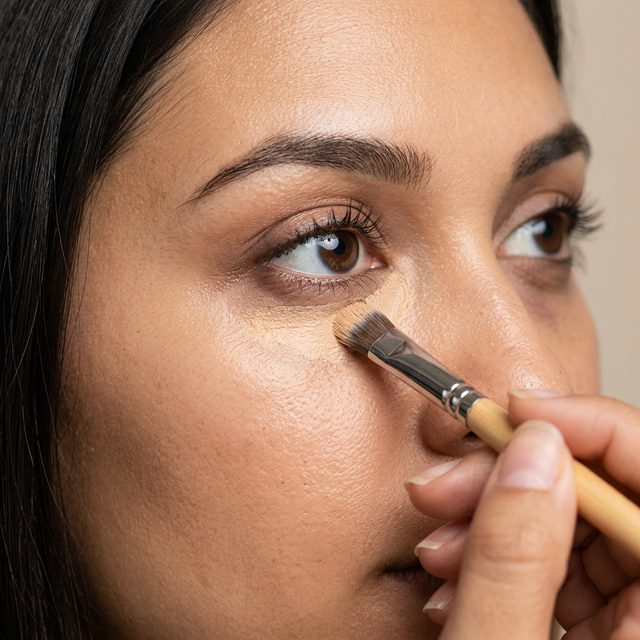 products